
Find the Right Adoptable Pet When Listings Are Outdated
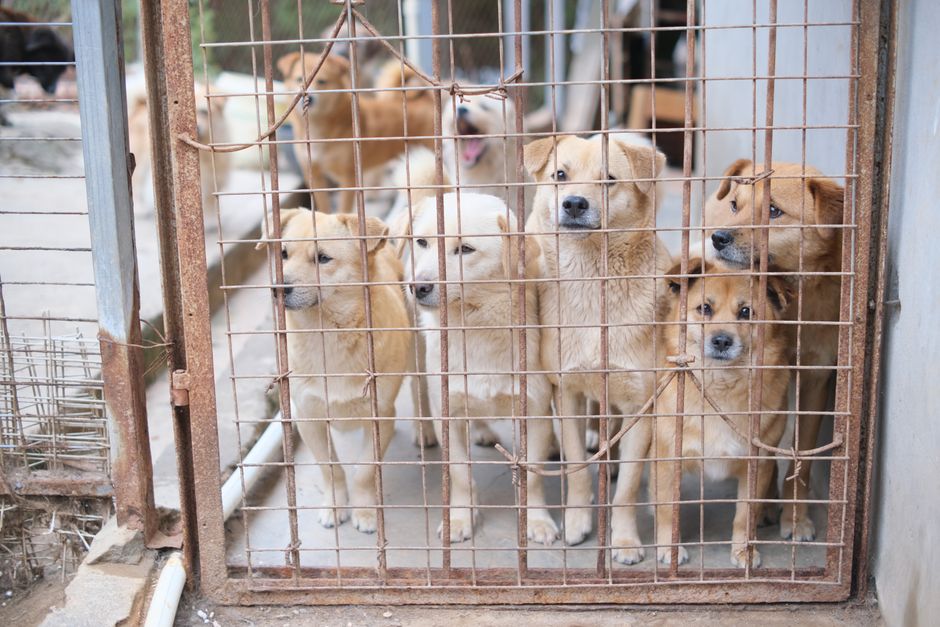
Use pet-search platforms as a starting point, not a live inventory system: save searches, check local shelter and rescue sites, and confirm availability and fit directly with the organization before applying. A listing can be stale or incomplete because updates are decentralized and some animals are not ready to be posted, so a repeatable comparison process is more reliable than searching one website once.
Why does a pet still appear online after it has been adopted?
A pet can remain online after adoption because the organization that created the listing, rather than the search platform, must update or remove it. Petfinder states this directly: each shelter or rescue group is responsible for updating its own adoptable-pet listings as animals become available or are adopted.
That arrangement is useful because it collects a large number of independent organizations in one place, but it has a predictable weakness: the displayed status is only as current as the latest update from the listing organization. Petfinder describes a network of nearly 14,000 shelters and rescue groups across North America. A large network solves discovery; it does not create a single real-time inventory.
Incomplete pages have another explanation. Best Friends Animal Society notes that animals are not always ready to be listed immediately because of quarantine, stray holds, or other reasons. An empty page, therefore, does not prove that an organization has no animals in its care. It proves only that its public page has no currently posted match.
The practical diagnosis is blunt: treat every profile as a lead. Use the profile's contact or adoption option to ask whether the animal is still available, then ask whether the information on the page remains accurate. Do this before interpreting a listing as a promise.
Which details should I confirm with a shelter before applying for a pet online?
Confirm availability, location, the animal's known behavioral and medical information, household compatibility, and the organization's process before applying. Short bios are designed to introduce personality and needs, not to substitute for the conversation that determines whether a particular household is suitable.
The ASPCA explains that each animal-welfare organization has its own adoption process, fees, and parameters. Some adoptions occur the same day; others take longer. That variation makes a generic assumption about timing or documentation unhelpful. Ask the listing organization what it requires and what stage the animal has reached in its adoption process.
Then move beyond the photograph. Petfinder's adoption guidance frames fit through activity level, housing and space, household dynamics, time available, and training needs. Humane World for Animals also notes that shelters or rescues may have animals already house-trained or accustomed to other animals or children. These are useful possibilities, not facts to assume about a specific pet; verify them directly.
| Confirm | Why it changes the decision | Question to ask |
|---|---|---|
| Current availability | Online status can lag behind an adoption or hold. | Is this pet still available to meet or apply for? |
| Location and meeting process | A listing platform may surface organizations beyond your immediate area. | Where is the pet, and how does a meeting work? |
| Known needs | Behavior, medical information, training, and household experience determine fit. | What needs, routines, or household conditions should an adopter understand? |
| Adoption requirements | Processes, fees, and timelines vary by organization. | What are your application steps and requirements? |
This is a comparison problem, not a browsing problem. Record the answers beside each listing. A candidate with fewer polished photos but clear answers about needs is easier to evaluate than a visually appealing profile with critical unknowns. The same skepticism is useful in other commitment-heavy searches: claims of certainty deserve verification, as explained in Can a Travel Agency Guarantee That My Tourist Visa Will Be Approved?.
How can I search multiple shelters without missing a good match?
Search in layers: use a national platform for breadth, check individual local shelter and rescue websites for gaps, and create saved searches so new matches reach you without requiring constant manual browsing. This method acknowledges how animal adoption information is actually distributed.
National platforms remain valuable. Petfinder says it lists pets from more than 12,000 shelters and rescue groups across the United States, Canada, and Mexico, and recommends saving a search or checking back because listings are updated daily. Its saved-search feature can send email when newly posted pets match your criteria, which creates a more timely inquiry path than repeating an unfocused search.
By contrast, one platform cannot be assumed to represent every nearby organization. Humane World for Animals advises prospective adopters to check individual websites of local shelters and rescues because not every shelter or pet appears on national websites. The ASPCA reports nearly 5,000 animal shelters and more than 9,500 animal rescues in the United States, a scale that explains why coverage and update practices differ.
Build one compact search record: organization name, listing link, date checked, contact status, fit notes, and unanswered questions. Revisit the record when an alert arrives or a shelter responds. If a local organization has no current match, ask whether it can connect you with another group in the area; Humane World for Animals says local shelters and rescues can make those connections.
The durable rule is simple: automate discovery, but keep judgment human. Alerts surface possibilities; direct contact establishes reality; a consistent fit record prevents the search from becoming a collection of disconnected tabs.
Frequently Asked Questions
Should I contact a shelter before submitting an adoption application?
Yes. Contacting the organization first can confirm whether the pet is still available and whether the listing information is current. It also lets you ask about the organization's application process, fees, requirements, and the pet's known needs before investing time in an application.
How can I save and compare pet listings from different websites?
Save the listing URL and record the shelter or rescue, location, availability status, known medical or behavioral information, and the questions still unanswered. Use saved-search alerts on platforms that provide them, then compare each candidate against the same household-fit criteria rather than relying on photos or breed labels.
What should I do when a shelter website does not show current available pets?
Check the organization's site again, contact the shelter or rescue directly, and visit when possible. Humane World for Animals notes that local organizations can also connect prospective adopters with other groups when they do not have a current match, while Best Friends explains that some pets may not be ready to list immediately because of quarantine, stray holds, or other reasons.